
Serengueti & Ngorongoro
Wild Land
"No one can return from the Serengeti unchanged, forty lions will forever prowl our memory and great herds throng our imagination."
- George Schaller -
Serengheti or "Maa," meaning endless plain. It is in the Serengeti savanna that one of the greatest spectacles on the planet is witnessed: the great migration essential to life in a region of magnificent landscapes and vibrant cultures.
Hungry predators are nearby, so the lions stay close to the wildebeest. Tall giraffes move gracefully in unison. Lions chase antelopes with spiraling horns, and wildebeests zigzag, and zebras move in constant motion. The herds of elephants, numbering more than 3,000 in Tarangire Park, traverse waves of grass and hydrate themselves in the centuries-old Baobabs, known as the Tree of Life, the majestic, thousand-year-old trees that can reach 25 meters in height and 15 meters in diameter.
The Serengeti is a time capsule from an age immemorial and a signpost of our future. It is an intricate web of life, dependent on landscapes located beyond parks, reserves, and conservation areas. Sleep in a tent in the middle of the savanna, amidst the most impressive sounds of wildlife.
Discover the Ngorongoro Crater, the largest inactive, intact, and unfilled volcanic caldera in the world, where the flamingo spectacle is reminiscent of National Geographic's most award-winning photographs.

Duration - 9 Days

Date - 14 to 22 of Mar

Price - 2.700€

People- 4 a 10
Accommodation -


Experience -


Trip Summary
Hygiene
Comfort
Physical Effort
Difficulty
Cultural impact
Adventure
Summary Itinerary
Day 1. Arusha - Arrival
Day 2. Arusha - Heritage Museum, Fruit markets, Maasai market
Day 3. Arusha - Tarangire National Park Safari
Day 4. Safari - Ngorongoro National Park
Day 5. Safari - Ngorongoro National Park / Serengeti National Park
Day 6. Safari - Serengeti National Park - Arusha
Day 7. Arusha - Waterfalls + Coffee Plantation
Day 8. Arusha - Maasai village
Day 9. Arusha - Destination airport


That includes
Included:
- Accommodation
- Desayuno / Scene / Water
- Transport
- Guides
- Travel insurance
- Entrance and insurance to the park
Not Included:
- Flights
- Visa
- Extra Expenses
Complete Detailed Journey
Day 1. Arrival in Arusha
We'll pick you up at your arrival airport, Kilimanjaro Airport or Arusha Airport, where we'll be waiting for you. During the journey, you'll enjoy the region's landscapes, with Mount Meru, a Tanzanian stratovolcano 70 km west of Kilimanjaro, at 4,565 m above sea level, in the background. After checking in at your hotel, you'll have time to rest and acclimatize.
At dinner, while we meet the group and prepare for our incredible expedition through Tanzania, you'll be introduced to the region's typical cuisine, including the most traditional dish in Africa, Ugali, the famous pilau rice, Mishkaki, Nyama Choma, Ndizi Nyama, Kachumbari, and other delicious dishes.
and the beauty of its people.

Kenia
Ruta Safari

Day 2. Arusha - Heritage Museum, Fruit Markets, Maasai Market
An Unforgettable Morning at the Arusha Museum
After a delicious breakfast, we immerse ourselves in Tanzania's vibrant history and culture with a morning visit to the Arusha Museum. This cultural treasure reveals the soul of the country through a unique collection, ranging from African antiquities to contemporary masks, artifacts, paintings, and sculptures. We admire the famous carved ebony trees of the Makonde, admire the delicate pottery of the Zaramo, and feel the energy of traditional dances, such as the Bugobogobo of the Sukuma and the Ukala of the Zigua.
We will learn about the customs, traditions, and cults, all through the eyes of the tribes still living on this continent. Discover the richness of Tanzanian tribes:
Sukuma, the largest group, farmers of the northwest, masters of the Bugobogobo snake dance, and business leaders. The Nyamwezi: "Moon People" of the west, historical traders who honor ancestral spirits. The Chagga of Kilimanjaro live in Kihamba under the Mangi kingdoms, which are influential in Arusha. The semi-nomadic Maasai, in Shuka dress and Eunoto rites, preserve vibrant traditions. The Haya of Kagera, who built mushing houses and mastered steel 2,000 years ago. The Makonde of the south, famous for their ebony carvings and Nguvumali matrilineal rites.
Be inspired by the cultural tapestry that pulsates with history, art, and traditions. The Arusha Museum is a window into the soul of Tanzania, an irresistible invitation to explore the diversity and beauty of its peoples.

Day 3. Tarangire National Park
This is the moment you've been waiting for. Here begins your safari in Tanzania. After breakfast at the hotel, you'll meet certified and authorized guides in a 4x4 vehicle. You'll start your adventure in Tarangire National Park, located about two hours from Arusha. This park is famous for its large elephant population, numbering over 3,000, and its majestic baobab trees, the famous ancient trees.
During the safari, on your first game drive, you'll have the chance to observe herds of elephants, giraffes, zebras, hippos, buffaloes, baboons, green monkeys, and a variety of other animals. Lunch will be served in a picnic area within the park. After a day of excitement, we'll sleep in a lodge near the park and enjoy an outdoor dinner with a traditional dance performance. At the lodge, wildlife surrounds us, from vervet monkeys (Chlorocebus pygerythrus), one of the most well-known primates on the African continent not only for their complex behavior but also for a striking anatomical feature, to the wild rabbits that make their burrows in the small gardens in front of your room, where you can relax under a starry sky and take in this first day.
Tarangire is the first part of the 4-day Tanzania Safari and is a great appetizer for what's to come: Serengeti National Park and the Ngorongoro Conservation Area.


Serengueti & Ngorongoro
Next Trip
March 14 to March 22, 2026
--------------------------------------------------
Other Available Dates
April 6 to April 14, 2026
October 4 to October 12, 2026
October 27 to November 4, 2026
--------------------------------------------------
Before Traveling
Confirm the validity of your passport.
Stamp the Visa upon your entry.
Schedule your travel consultation.
Yellow fever vaccine is mandatory.
Prepare yourself for a moment of
physical and emotional overcoming.
--------------------------------------------------
During the Trip
Our travel insurance will cover you.
Keep your documents with you.
The Tanzanian shilling, 1€ = 2.864,3 Tzs
Prepare for a cultural challenge.
--------------------------------------------------


Day 4. Ngorongoro Crater
Today we will depart for the Ngorongoro Crater, one of the largest intact volcanic calderas in the world. Upon arrival, we will begin an exciting safari through the crater. The genesis of this fabulous crater landscape is also closely linked to that of the human species. It is here that some of the oldest human specimens on the planet have been found, demonstrating that early humans roamed this red, fertile land, subject to cycles of rain and aridity. Here you will spot rhinos, lions on the hunt, hundreds of wildebeest approaching the water, hippos, zebras, and hundreds of flamingos perched on a single leg in a spectacular view of the crater lake, among other species that inhabit this unique area. Lunch will be served in a picnic area overlooking the crater.

Day 5. Ngorongoro Crater - Serengeti National Park
Today at breakfast, we'll be accompanied by elephants. From afar and safely, we can enjoy their imposing presence. We'll set off for Serengeti National Park, one of the largest and most famous wildlife reserves in the world. The journey takes about six hours, with stops for wildlife photography and rest. Upon arrival in the Serengeti, we'll begin a safari across the vast plains, where you'll observe lions, leopards, hyenas, wildebeest, and zebras in their natural habitat. Lunch will be served in a park nestled within the volcano.


Cultural Tips
Immerse yourself in the tribal richness of this trip.
Karibu: Welcome / Calm: Pole Pole.
Comfortable clothing, hiking shoes,
overnight gear, binoculars.
Typical Dishes: Ugali, Kachumbari, Pilau rice.
All overnight gear is on us.
--------------------------------------------------
Travel Tips
Be Flexible, stay open to changes in the itinerary.
Interact with Locals.
+255. Download useful apps for
navigation and translations.
Savanna Weather: Average annual temperature:
max. 34°C min. 30°C.
Cold months, it will be around 22°C
Warmer months around 26°C.
--------------------------------------------------


Day 6. Serengeti National Park - Arusha
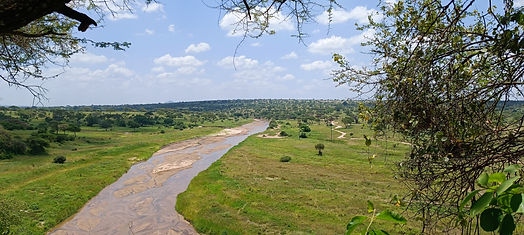
On the last day, waking up in a tent in the heart of the Serengeti, surrounded by the sounds of nature, in the heart of a wildlife sanctuary, in the heart of the savanna, we enjoyed a delicious breakfast. We set off on our first safari of the day, ready to spot the majestic "Big Five" – lions, elephants, buffalo, rhinos, and leopards.
After an open-air lunch, we head to the spectacle of the Great Migration, where thousands of wildebeest, zebras, and gazelles cross the plains. The diversity of wildlife is impressive, with giraffes, hippos, and crocodiles completing the scene.
The essence of Serengeti National Park is something that words can hardly capture. It's not just about observing, but also about feeling the vibrant sounds of thousands of wildebeest, the roar of lions, and the beauty of the various bird species that live here. Trying to describe this to friends and family will be a challenge, as it seems indescribable. The plains bathed in golden hues at sunset offer a beauty so breathtaking that it alone justifies the trip. The warm, authentic smiles of the Maasai people bring an immediate sense of welcome. And the constant presence of thousands of animals around you, regardless of the migration season, makes the Serengeti a truly magical place year-round. This marks the end of your Tanzania safari, but your East African adventures don't end there.
transfer to the airport and return trip

Day 7. Arusha – Materuni Falls - Coffee Plantation
After breakfast at the hotel, we set off for a magical experience at Materuni Falls.
The village of Materuni is located 15 km north of Moshi, at an altitude of 1,300 m above sea level, the last village before Kilimanjaro National Park. Materuni Falls is one of the most beautiful natural attractions in the forests of northern Tanzania. In Arusha, explore this gateway to the national parks of northern Tanzania, learning valuable insights into Tanzanian urban life along the way. Upon arrival, there's time for a refreshing dip in the crystal-clear, mineral-rich springs. The lagoon is deep, with some areas reaching 10 meters, but the water is so clear that you can easily see the bottom at any time.
Relax on the tranquil shore, enjoy a delicious picnic, and soak up the sun—it will add the perfect touch to your day. While at the springs, you might also spot playful baboons and other local monkeys.

Day 8. Arusha – Visit a Maasai Village
Spending time in a Maasai village will definitely be one of the highlights of your safari. You'll be welcomed with open arms and gain fascinating insights into Maasai culture and daily life.
We begin the day with a day trip to the Maasai Cultural Village (Manyattas), a guided tour that takes you to a Maasai village where you can learn about the culture and traditions of the Maasai people. The tour is typically a full-day trip. During this full-day cultural immersion, guided nature walks include experiencing traditional Maasai spear throwing. You'll also be served a traditional meal.
On this tour, you'll interact with them, learn about their traditional dwellings, and participate in cultural activities such as dance, music, and storytelling. You'll also witness traditional ceremonies, such as adulthood rites and ceremonial dances, providing a deeper understanding of the Maasai culture and identity.

Day 9. Arusha – Destination Airport
After breakfast at the hotel, transfer to the airport and return trip